
Generator Install in Shrewsbury, MA
Control Point Heating • Cooling • Plumbing • Electric provides heating and cooling services to homes in Shrewsbury, MA, and the surrounding areas. We specialize in installing, repairing, replacing, and maintaining HVAC systems. Call us today at (508) 290-6032, or request service online.
schedule now
"*" indicates required fields
Generator Installation Service
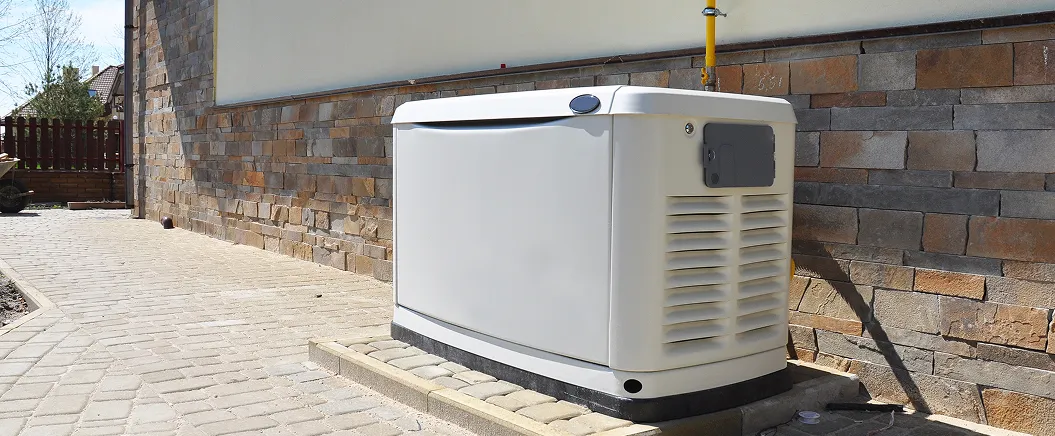
Backup Generator
Why Invest in a Backup Generator?
Losing power for hours or days can cause major disruptions, from food spoilage to security system failures. Installing a generator ensures:
- Uninterrupted Power: Keeps lights, HVAC systems, and appliances running during outages.
- Automatic Activation: A standby generator turns on instantly when power fails.
- Protection for Electronics: Prevents voltage fluctuations that can damage sensitive devices.
- Increased Home Value: A permanently installed generator adds value and peace of mind for future buyers.
Generators We Install
Types of Generators We Install
At Control Point, we install a range of generator types from leading manufacturers, including Generac, Kohler, and more. We match the right generator to how you run your home or your business so that when power outages happen, you’ll have power where you need it most. Here’s a breakdown of the main types of generators that we install:
Standby Generators
Standby generators are automatic, permanent systems that tie directly into your electrical panel. They have an automatic transfer switch that monitors the grid 24/7 and, when it detects an outage, switches the generator on, providing power in 10 seconds or less. These generators are great for partial-home coverage during an outage, typically producing around 9 kW to 20 kW of power. You can keep the essentials like your refrigerator, HVAC system, sump pump, and a few outlets running.
Most models use natural gas, but propane is also an option. These have been popular with families who want to upgrade from their portable generator.
Whole-Home Generators
Whole-home generators are the heavy lifters that families love when they want to keep everything running during an outage. With a whole-home model, you’ll have the ability to run any medical equipment that requires power, keep your Wi-Fi on, run your HVAC system, keep your food in the fridge cold, and keep all your lights on. These automatic generators make sense for modern homes with more appliances, well pumps, or home offices.
Whole-home generators are a more powerful type of standby generator that typically produces around 22 kW to 40+ kW of power. Like a standby model, they’re a permanent installation on the outside of your home that ties into your electrical panel, and they typically run on natural gas or propane.
Portable Generators
Portable generators are an affordable and flexible option for backup power. They come in different sizes, the smallest being more affordable and easier to store. If your home doesn’t experience many outages or if you only have a few critical systems that you want to keep powered during an outage, a portable generator could be the best option for you. We help you set them up safely, with proper transfer switches so you don’t backfeed the grid (send electricity in the reverse direction).
These models typically run on gasoline, but there are some dual-fuel models that also run on propane. Their size will determine how much power they generate, with small typically offering 1000 watts to 2500 watts (perfect for laptops, charging phones, or a mini-fridge); while large generators can generate around 6000 watts to 12000 watts (good for well pumps, lights, or a refrigerator). Portable generators are versatile and great to bring while camping or out on a job site.
Commercial Backup Generators
A commercial backup generator will make sure that your business doesn’t grind to a halt during an outage. With models producing between 20 kW and 3000 kW, you can keep your office, retail shop, or restaurant running efficiently. Many models also include remote monitoring so you can track the power status from your phone. They run on natural gas or propane, though some models use diesel for maximum efficiency.
Installation Process
Our Generator Installation Process
- On-Site Evaluation & Power Load Assessment: We meet with you at your home or business and determine the right generator size based on your needs. We figure out if you need whole-home or critical systems only – no guesswork. We calculate your actual usage so you only spend what you need and aren’t left in a lurch during an outage.
- Custom Recommendations & Quote: We’ll go over the different options, sizes, fuel types, and location on your property (considering local codes, noise, clearance, etc.). You’ll receive transparent pricing, with no hidden surprise fees.
- Permits & Utility Coordination: Once you choose the type of generator you want installed, we’ll handle any necessary paperwork, electrical permits (for certain models like whole-home generators), and coordination with your utility company.
- Professional Installation & Electrical Connections: Our licensed electricians and techs will prepare the site, set up the generator, run the gas/propane lines safely, install the automatic transfer switch, and tie it into your electrical panel. Our team is meticulous about keeping to local codes and safety regulations.
- Inspection, Testing & Customer Walkthrough: Once the installation is complete, we’ll simulate an outage and monitor the system to ensure everything is working properly. We’ll also talk you through how to maintain and operate your new generator and go over any questions you may have.
Why Us
Why Choose Us for Generator Installation?
- Licensed & Experienced: Experts in residential and commercial generator installations.
- Fast & Reliable Service: We ensure a quick turnaround so you’re prepared for the next outage.
- Personable Team: Friendly technicians who explain the installation process and answer all your questions.
- Code-Compliant Solutions: All installations meet local electrical and safety regulations.
Tips for Generators
Tips for Maintaining Your Generator
- Test your generator monthly: Ensures it’s ready to activate when needed.
- Keep fuel levels topped off: Avoids performance issues and unexpected failures.
- Schedule regular servicing: Professional maintenance extends generator lifespan and efficiency.
- Check battery connections: A weak or dead battery can prevent the generator from starting.